
Finding better in Jesus
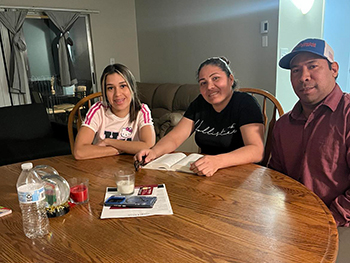
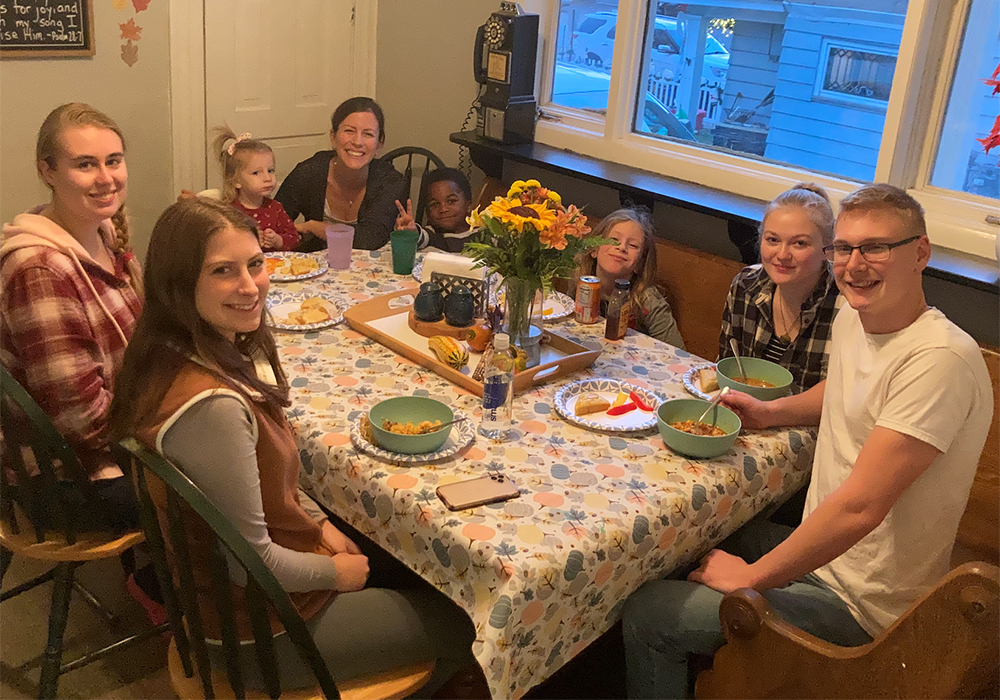
“I have to call my mom about this . . . this is better!” she said. That has become one of my favorite lines I have ever heard in a Bible information class. I sat across the kitchen table from my new friends Dan and Jenny, taking them through the lesson on Baptism and the Lord’s Supper. This was a place I wanted to be but a place I was never sure I would be.
You see, our friends Dan and Jenny had both grown up with a Baptist background and were a good Christian family looking for a church in our area. We just happened to meet them when our girls played on the same T-ball team. Before they were ever visitors of our church, they were just our good friends—friends we would have over for dinner and meet at parks, pools, restaurants, and wineries. I wanted nothing more than to baptize all four of their awesome kids (now five!), but I understood that’s not what they believed. If only we could talk about it.
I remember the night on my back patio, standing under the awning during a thunderstorm, when Dan asked me, “What’s the difference between Lutherans and Baptists?” “Well, I think it really comes down to how God works,” I replied. “You see, Lutherans believe that God works in Baptism and the Lord’s Supper, giving to his people forgiveness and granting and strengthening faith, whereas Baptists would see it as something that I am doing for God. It’s sort of arrow up versus arrow down theology.” To his credit, and through the working of the Holy Spirit, Dan told me that night, “I think I am on board with that. But it might take a little more discussion with my wife . . . ” (sorry, Jenny).
But that discussion happened. It happened informally at picnic tables, at our local winery, standing on the beach of a manmade lake, and around both of our kitchen tables, until finally, Dan and Jenny both saw Baptism for the comfort that it is. God wants you to know that he claims those children too. He forgives their sins too. The Holy Spirit works in their little hearts too.
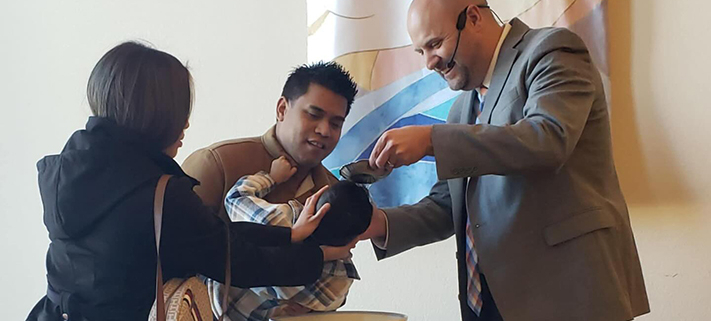
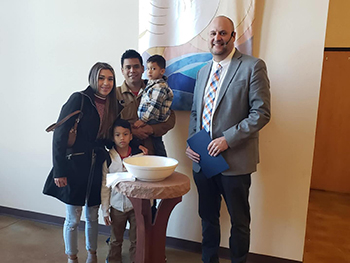
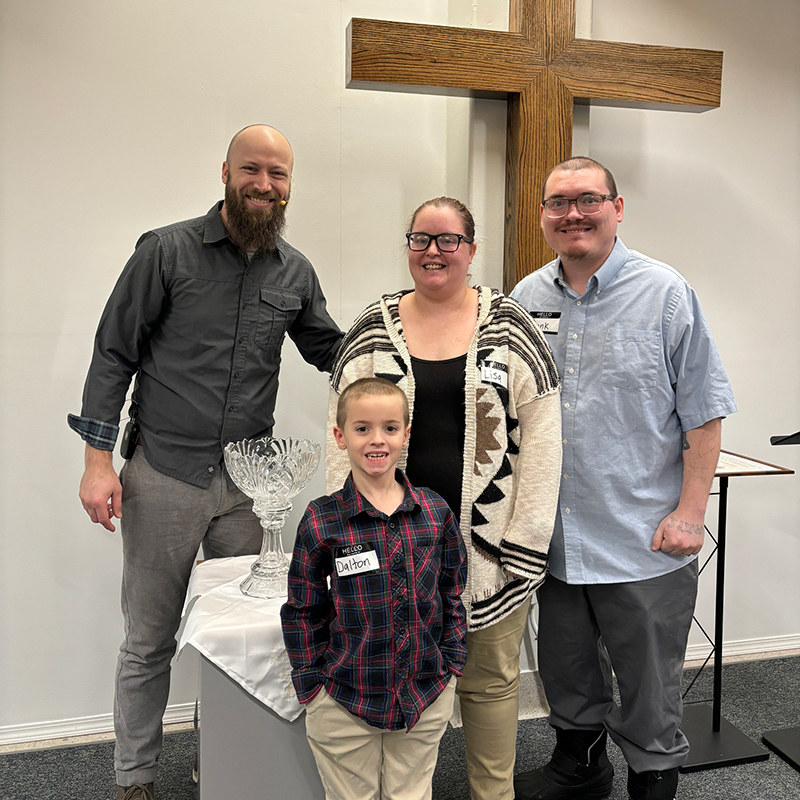
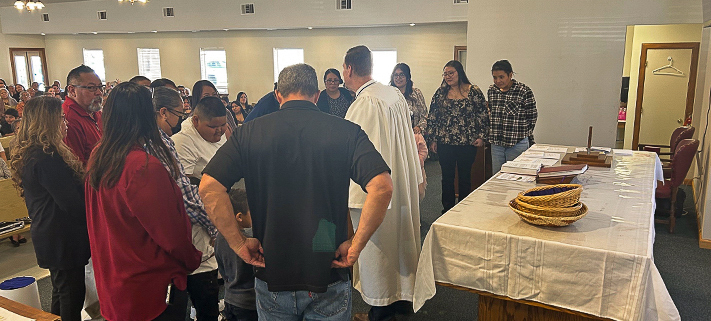
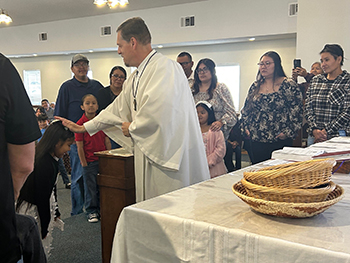
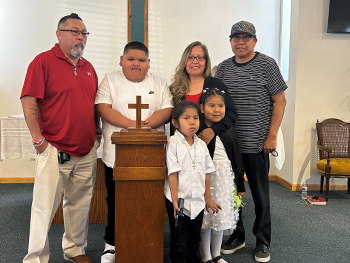
So, on March 30, we not only baptized the five children but also their dad. You see, Dan had always thought that sometime along the way he had been baptized. But a few phone calls later, he realized he never had. So this was going to be a really special Sunday for their family. As a father, it’s an incredible gift not only to tell your children what happens in Baptism but also to show them—first by being baptized yourself and then by lifting each of your little ones up to that same font, watching as God claims them as his own, washes away all their sins, and makes to them the very same promises he just made to you. Baptism now saves you also . . . this promise is for you and for your children . . . all of us who have been baptized into Christ have been baptized into his death. We were therefore buried with him through Baptism into death, so that just as he was raised to the glory of the Father, we too walk in new life.
“I have to call my mom about this . . . this is better!” Call your mom, dad, brother, sister, friend, neighbor, stranger on the street! Let them know that in Jesus, it is better.
Written by Rev. Jake Jenswold, home missionary at Victory Lutheran Church in Wichita, Kan.
WELS Missions
Learn about the ministry work of WELS Missions.
SUPPORT MISSIONS
Support the ministry work of WELS Missions.


 Jarrell, Texas: Jarrell is a rapidly growing town north of Austin. For the past three years, Pastor Don Patterson has been working with a core group of 11, which began holding weekly worship in October 2024. The group has identified 90 prospects, many of whom they connected with by volunteering at the local food pantry.
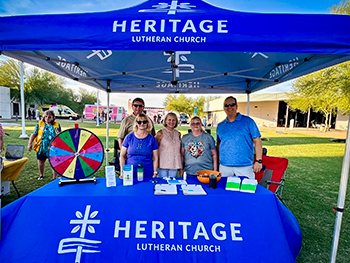 San Tan Valley, Ariz.: Since 2022, the Arizona-California District Mission Board has been working with Heritage in Gilbert, Ariz., to plant a new mission in rapidly growing San Tan Valley. A core group of 26 adults has been gathering regularly for Bible study and community events. In October 2024, they began holding regular worship services and have already identified 127 prospects interested in learning more about the new church.


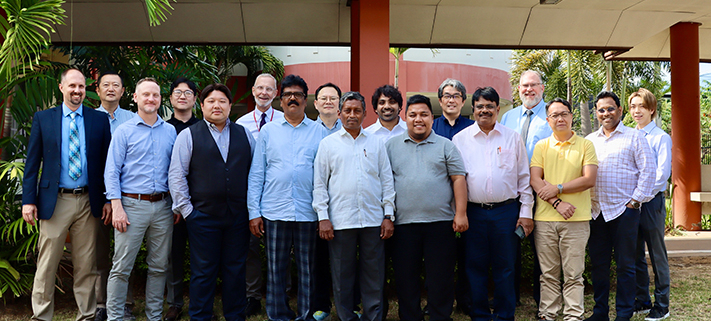
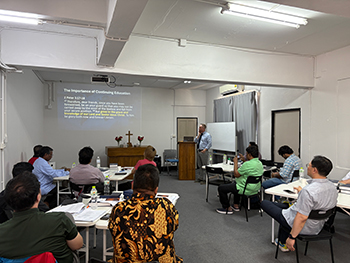
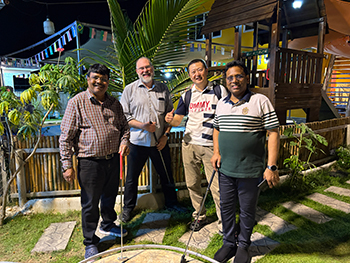


 Missionaries Rev. Dr. Matthew Doebler and Rev. Peter Janke, both members of the Asia-Oceania Team, are leading this effort. While they continue to work with contacts throughout Asia, their physical presence in Australia allows them to establish a firm foundation for ministry within local communities. They are collaborating with two existing churches in Australia: Our Redeemer Lutheran Church in Brisbane and Fountain of Life in Maryborough. These congregations, members of the Confessional Evangelical Lutheran Conference, provide vital connections and a foundation for expanding ministry efforts. This partnership strengthens the mission by providing existing worship spaces, local insights, and a community of believers eager to spread the gospel.
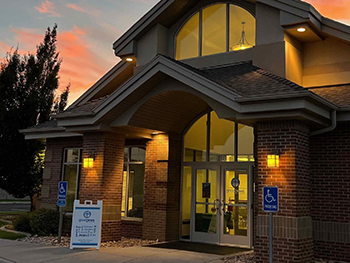

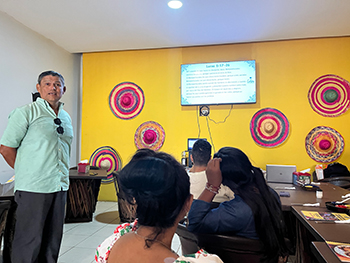

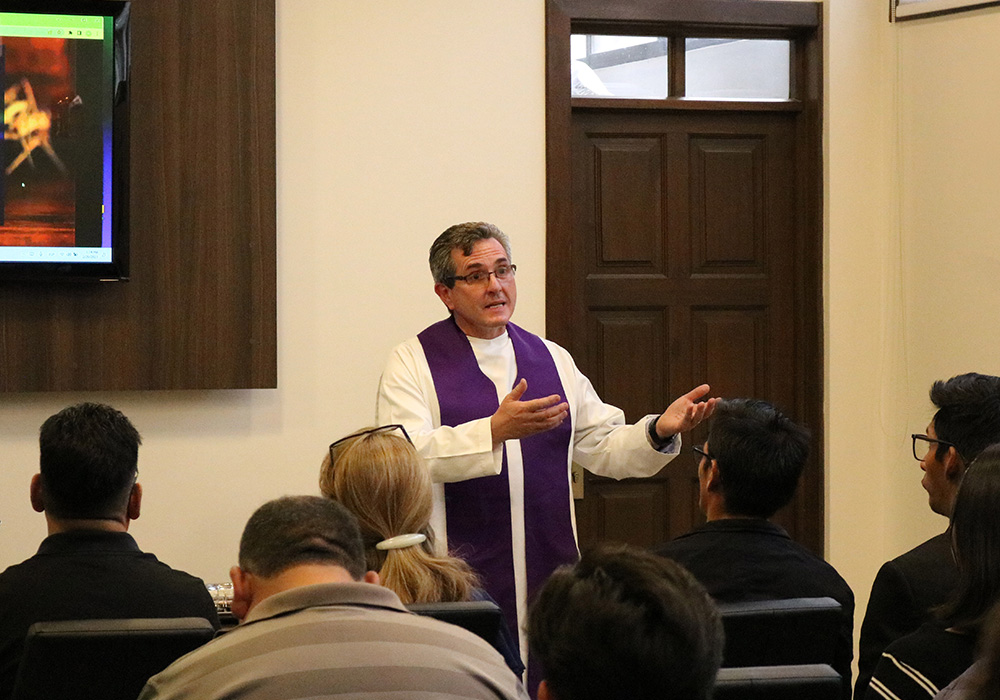
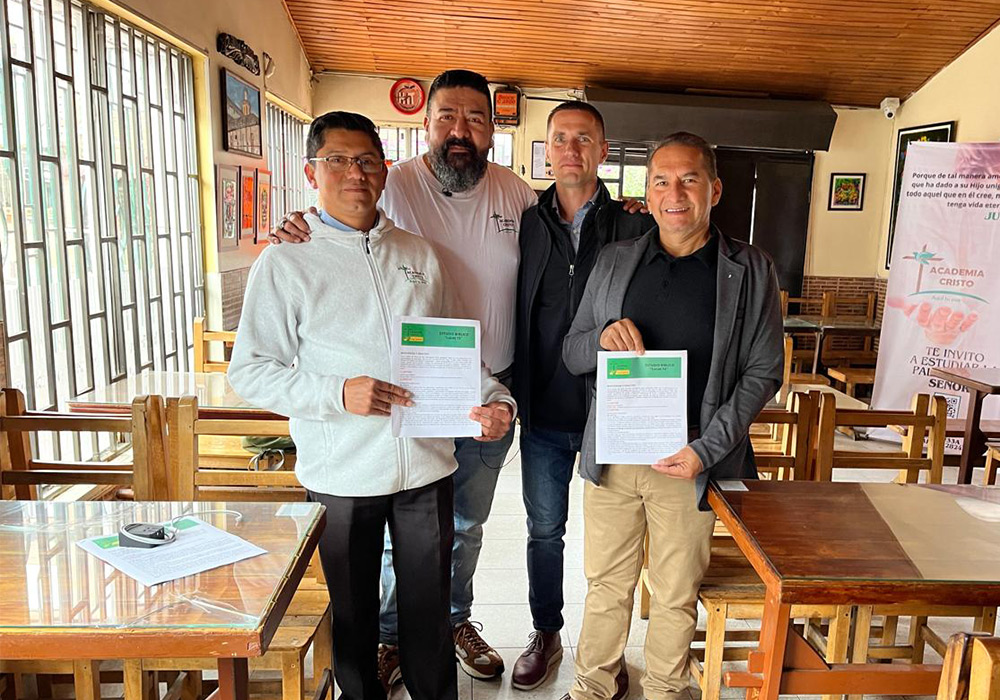
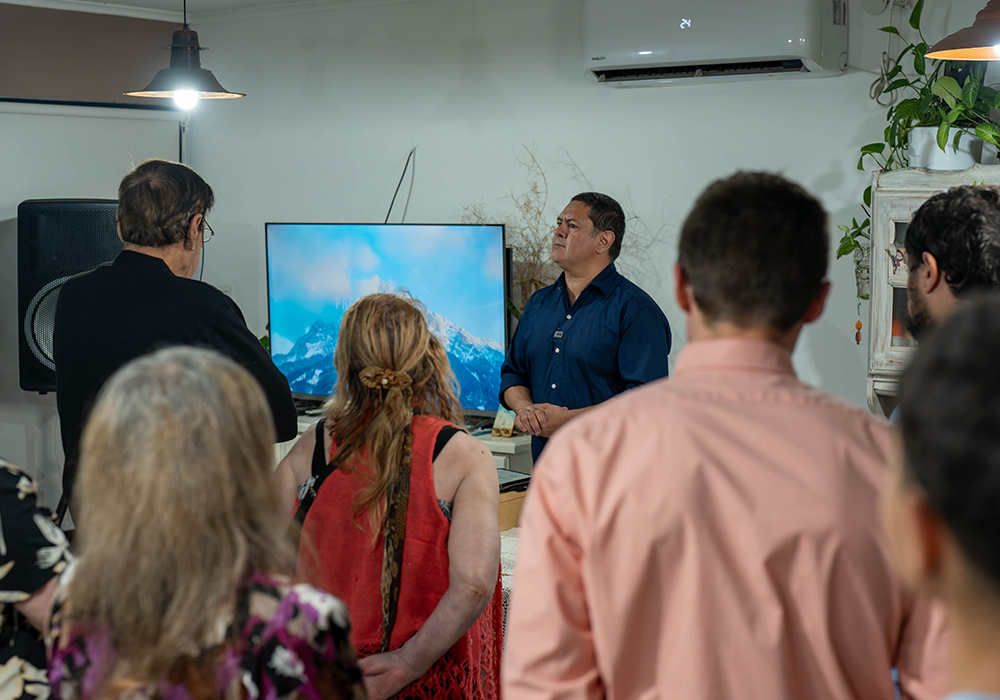
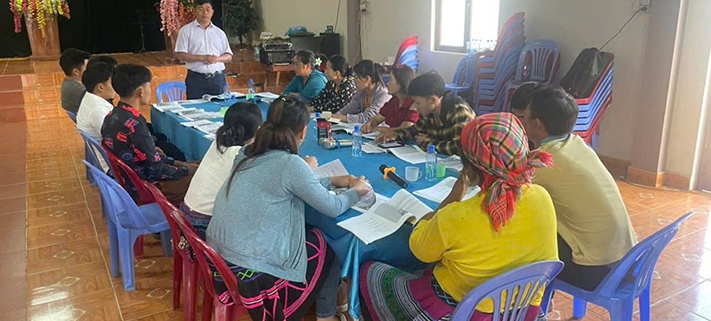
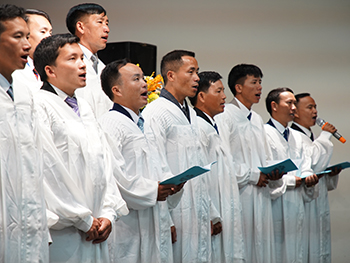 With the generosity of faithful donors, we built a sturdy building—complete with classrooms, sleeping quarters, and a kitchen—meant to house 60 students at a time and train pastors for Christ’s service. Almost two years ago at the dedication, it stood ready, a beacon of hope. But government regulations have kept us from using it for now. The paperwork continues, and the delay has a story of its own. A local church body that once supported us began demanding practices contrary to Scripture—insisting we stop baptizing babies and allow non-Lutheran teachers to train our pastors. In a Martin Luther-esque stand, our partner church broke away, choosing faithfulness over compromise. Since then, they’ve lost government recognition, which has slowed the process for gaining occupancy of the theological education center. Yet we trust that access could come any day, because God’s timing is not ours.
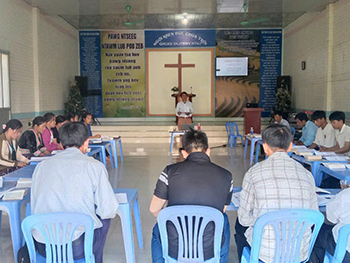 Some might see this as a delay, a plan stalled. But God has provided paths we never expected. Since we began, our sister church has grown to over 160,000 souls, hungry for the Word.