
04 – The Four Phases of Disaster Management
Mitigation
Mitigation consists of the activities designed to prevent loss. Mitigation efforts are intended to ensure that the least amount of damage and casualties occur due to disaster. Activities include those taken to avoid an emergency, reduce the chance of an emergency, or reduce the damaging effects of unavoidable emergencies, such as buying flood insurance for your home.
Preparedness
Preparedness ensures that if a disaster occurs, people are ready to get through it safely and respond to it effectively. This is done by training, information, preparation, drills, and exercises—efforts to minimize damage and lay the groundwork for response to an emergency or disaster. As disasters continue to impact us at an increasing rate, we must all take part in preparing and mitigating their impacts. Take time to develop a preparedness plan for you and your family, especially as a disaster relief volunteer who will be away from your home.
Response
Response is the capability to respond quickly and safely in time of disaster to save lives, protect property and the environment, and meet basic human needs immediately after a disaster has occurred. Responding safely to an emergency is essential and the time for you to put your preparedness plans into action. Seeking shelter from a tornado or turning off gas valves in an earthquake are both examples of response.
Recovery
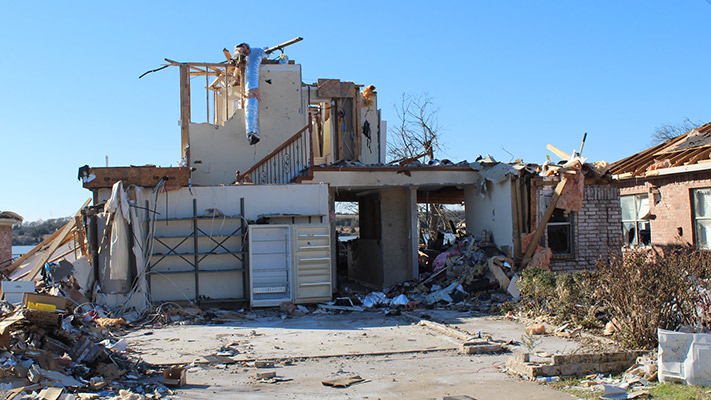
Recovery is the necessary capability to assist communities affected by disaster and to recover effectively and return to normal conditions. Recovery efforts include the restoration of basic services and the repair of physical, social, and economic damages. Typical recovery actions include debris cleanup, financial assistance to individuals and communities, rebuilding of roads and bridges and key facilities, and sustained mass care for displaced human and animal populations.
References
- Emergency preparedness training. PowerShow. (n.d.). Retrieved June 27, 2022, from https://www.powershow.com/view/1be216-ZjAwO/Emergency_Preparedness_Training_powerpoint_ppt_presentation
- Federal Emergency Management Agency. (2007). AS AMENDED, Robert T. Stafford disaster relief, emergency assistance act and related authorities (FEMA 592). Washington, D.C.: Author.
- Federal Emergency Management Agency. (2022, June 24) Make a plan. https://www.ready.gov/plan
- International Federation of Red Cross and Red Crescent Societies. (2022, June 27) What is a disaster? https://www.ifrc.org/what-disaster
