
11 – Engaging with Disaster Survivors
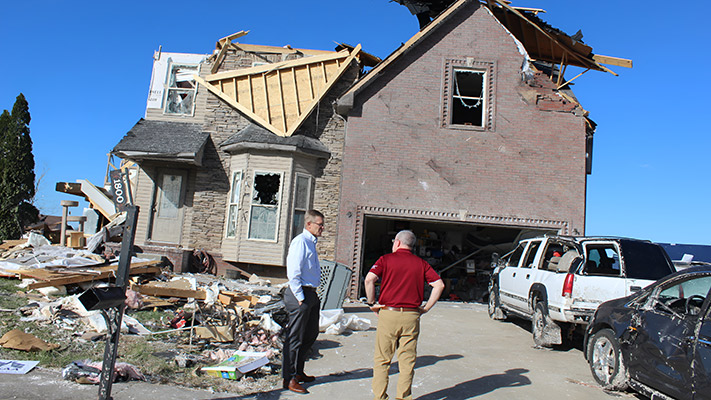
After a disaster, survivors are numb. They don’t know what to do or even where to start. They are at a loss emotionally, physically, and spiritually. The devastation caused by a disaster, the loss of property, the injury or death of friends and family can make it hard for people to even think straight. Here are some ways that volunteers can provide care for disaster survivors.
Do!
- Take time to introduce yourself to homeowners. Let them know that you are part of a group of volunteers from the local WELS congregation. Share the name of the congregation.
- Be respectful of homeowners’ property and possessions.
- If they would like to talk about their experience, please take the time to listen to their story. Living through a disaster is a traumatic experience. It helps survivors to talk about it.
- Listen carefully.
- Know that silence is golden. Listen more than you speak (James 1:19).
- Be sensitive to differences in culture, religion, race, or language.
- Speak the truth in love.
- Keep your answers simple.
- Provide clarification.
- Follow a simple guide for good listening. Listen with R.E.S.P.E.C.T.
- Repeat key phrases
- Eye contact
- Summarize
- Probe for more information/clarification
- Empathize
- Concentrate
- Take your time
- Recognize signs of stress in survivors.
- Normal signs of stress:
- Feelings can include sadness, guilt, anxiety, loneliness, abandonment by God, numbness, fatigue, helplessness, shock, and anger.
- Physical reactions can include tightness in the chest and throat, over-sensitivity to noise, shortness of breath, weakness in the muscles, lack of energy, and dry mouth.
- Thoughts can include confusion, preoccupation, despair, and irrational cognition.
- Behaviors can include changes in sleep (too much or too little, dreams about the trauma), changes in appetite (too much or too little), wandering around, forgetting what you are doing, social withdrawal, restless over-activity, crying, and suppressed crying.
- Signs of stress that indicate a need for intervention by a trained professional such as a pastor or counselor:
- Continuing exclusion of family, friends, or activities.
- Prolonged feelings of emptiness or worthlessness.
- Having thoughts of or articulating a plan for self-harm.
- Abuse of alcohol, prescription drugs, or illegal drugs.
- Normal signs of stress:
Don’t!
- Spread rumors. Rumors can lead to feelings of insecurity and even panic. Make sure that the information you share is accurate.
- Do not promise anything you personally cannot deliver.
- Some phrases to avoid:
- “I know what you’re going through.” In most situations this is simply not the case.
- “Everything will be OK” or “You’re strong” or “You’ll get through this.” After a disaster many are questioning their strength and ability to make it through a situation. It’s better to direct them to the promises of a loving and mighty God.
- “Many people have it worse.” This is not really comforting. Even though others may have a worse situation, the person you’re talking to still has a tough situation to live through.
- “Let me tell you about my experience.”
- “Don’t cry.” It’s OK to cry. Sometimes it’s even helpful to release pent-up emotion.
- “This happened because . . .” or “It’s God’s will.” Making a statement like this can anger those who have survived disaster.
- Instead of providing comfort, these phrases can cause anger or resentment. That in turn makes it hard to engage with them and share the gospel.
- If you say something that upsets them, apologize sincerely and try to keep the conversation going.
